

Operational supplies sourcing for Saudi government entities is a core requirement for uninterrupted day-to-day operations—especially for offices and departments that rely on consistent availability of office supplies, office stationery, and recurring operational needs.
In this article, we explain the concept of operational procurement, the common challenges in government purchasing, and how the LAWAZEM platform can deliver a more organized and transparent model for managing operational sourcing in Saudi Arabia.
Definition of operational procurement (non-productive supplies)
Operational procurement is the supply of items that are not directly part of “production” or the core service, but are necessary to run day-to-day work inside offices and departments.
This includes office stationery, stationery supplies, organization essentials, printing supplies, and operational needs tied to administrative support.
This type of sourcing may look simple, but it directly impacts transaction speed, operational consistency, and a stable work environment inside the entity.
The difference between operational procurement and strategic procurement
-
Operational procurement focuses on daily, recurring needs—such as stationery items, office stationery, and operational supplies—and typically requires frequent ordering and flexible delivery.
-
Strategic procurement is linked to long-term decisions and larger, higher-impact contracts—such as supplying systems, projects, or core services tied to the entity’s strategic plans.
Distinguishing between the two helps government entities prioritize purchases and choose the right tools for each path—so operational procurement is managed through a fast, controlled system, while strategic procurement follows more contract-driven, planning-heavy processes.
The role of operational supplies (office supplies and stationery) in supporting daily work
In government entities, daily workflow depends on having essential supplies available to keep transactions moving without disruption. Office supplies and office stationery are not minor details—they are part of a complete operating environment. When they are missing or delayed, issues appear such as stalled administrative work, disrupted document processing, weaker organization quality, and a rise in urgent requests that increase cost and create more chaos.
Also Read: Office Supplies in Al Khobar: Bulk Office Stationery and Supplies
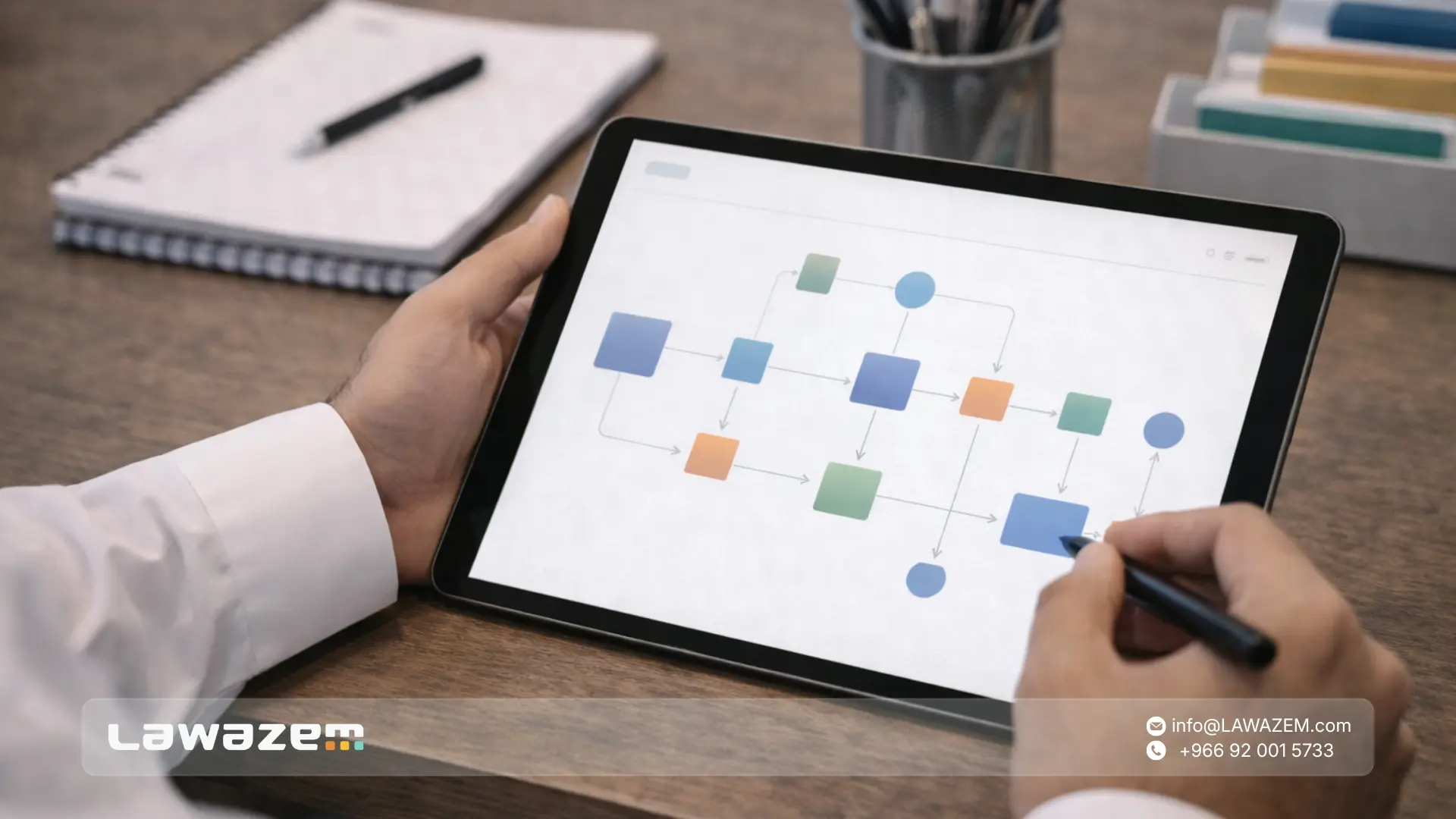
The importance of digital solutions in government-sector procurement
Digital platforms give government entities a unified, controlled way to manage operational supply requests instead of relying on scattered processes that are hard to track.
When procurement becomes digital, entities can set permissions, define approvals, track requests in real time, and standardize requirements across different departments.
Digital benefits over slow paper-based processes
Paper-based processes usually take longer for approvals and reviews, increase the chance of errors or lost documents, and weaken the ability to know request status instantly.
Moving to a digital system reduces cycle time and makes every step documented and trackable—raising operational efficiency and making coordination between departments easier.
How technology improves oversight and internal policies
Technology doesn’t only speed up operations—it strengthens control. An entity can set clear purchasing policies and apply them automatically through the system, such as setting spend limits, blocking unapproved items, and linking each request to the required approvals based on administrative level. This reduces waste, improves adherence, and reinforces transparency.
Common challenges in government purchasing
1- Complex approvals and routine procedures
Government entities often require multiple approval levels, which extends request time and increases the likelihood of delays—especially for urgent operational needs.
2- Too many vendors and difficult follow-up
When dealing with multiple vendors, tracking becomes harder, invoices become fragmented, and the likelihood of inconsistent quality or delayed delivery increases.
3- Weak spend control and resource waste
Without a clear oversight system, unnecessary requests may increase or items may be reordered without reason—leading to excess inventory or financial waste.
4- Slow request execution during disputes or delays
When delays or supply issues happen, resolution becomes slower if there is no clear tracking, dispute path, or a fast process to re-supply.
Also Reaad: Best Wholesale Office Supplies Suppliers in KSA: Selection Criteria Before Contracting

Materials and services government entities need
1- Office supplies: stationery and office tools to run offices
This includes stationery, writing tools, files, organization essentials, and printing supplies—the backbone of day-to-day administrative work.
2- Operational supplies: administrative and organizational support inside entities
This includes daily office operational necessities that ensure continuity and support organized workflow and document flow.
3- Support services: invoicing requests, contract monitoring, spend analytics
This includes daily office operational necessities that ensure continuity and support organized workflow and document flow.
4- Contract and vendor management: sustaining long-term relationships and enforcing contract terms
Having a clear contract management system helps ensure compliance with agreed terms, supports tracking clauses and renewal dates, and reduces operational risk.
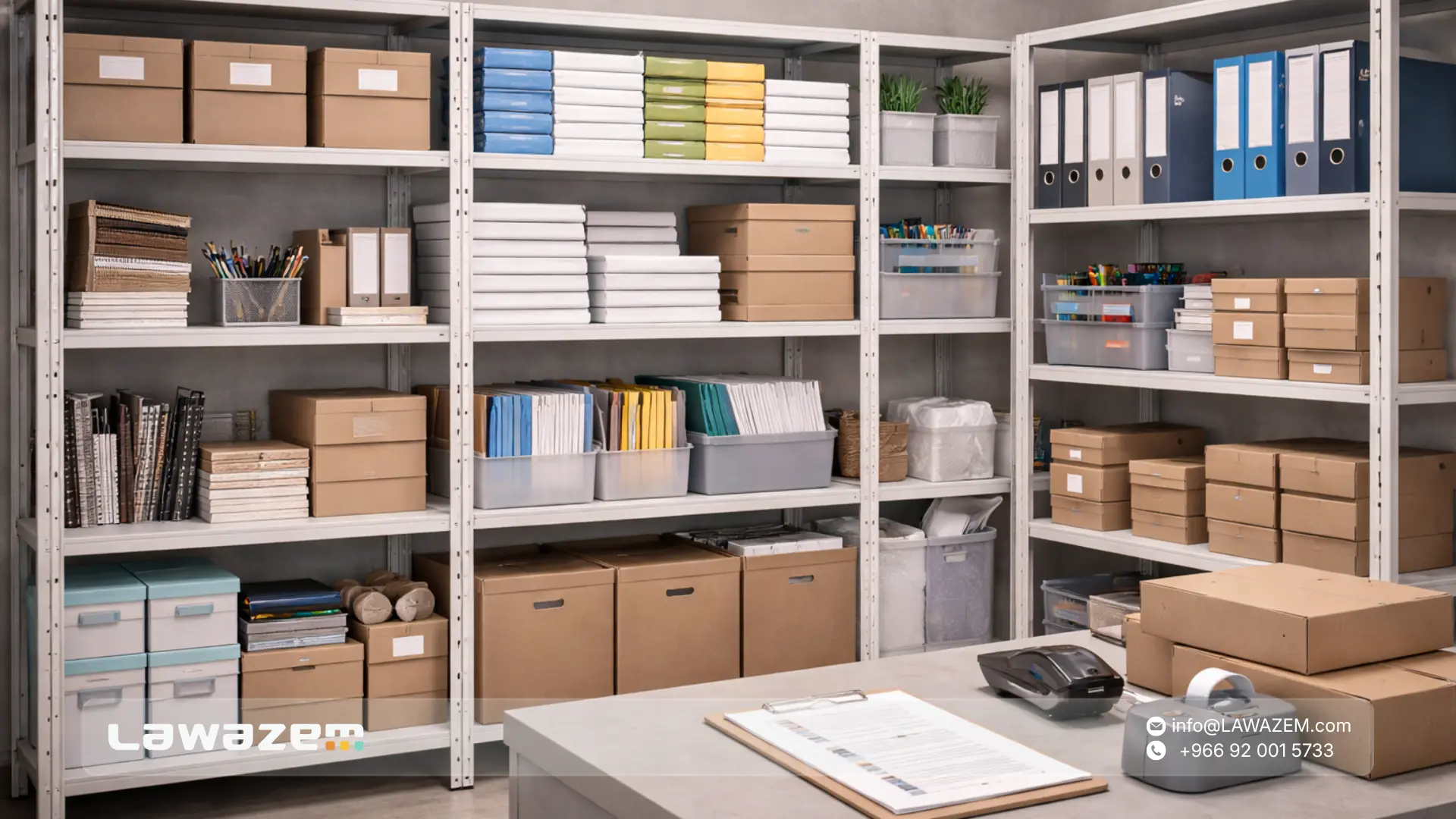
Criteria for choosing a reliable office supplies sourcing system for government entities
1- Ability to align with internal policies
The system should enable enforcing entity policies for permissions, approvals, spend limits, and blocking unapproved items.
2- Continuous availability of required supplies
Government sourcing requires continuity, so the system should ensure essential items remain available without interruption.
3- Fast execution and delivery
Speed isn’t a luxury here—it’s a requirement to prevent daily work from stopping.
4- Price and invoice transparency
Clear pricing and invoice consolidation makes financial review easier and reduces administrative complexity.
5- Organizing approvals and digital workflow
The more structured and clear approvals are inside the system, the fewer errors occur and the faster procurement moves.
Smart approval tools to organize bulk office stationery procurement
How do structured approvals help control the process?
When each request has a defined approvals path, control increases and reliance on individual judgment decreases. It also becomes possible to define who requests, what is requested, and within which limits—raising discipline and reducing disorder.
Reducing errors and duplicate requests
Digital approvals reduce the chance of the same request being submitted by more than one party, and help standardize items and quantities based on real need—limiting inflated spend.
Ensuring compliance with government entity policies
Digital approvals reduce the chance of the same request being submitted by more than one party, and help standardize items and quantities based on real need—limiting inflated spend.
How to manage contracts and vendors effectively
1- Documenting supply contracts and linking them to requests
Linking requests to contracts ensures every purchase follows clear, pre-approved terms, with direct tracking of contractual commitments.
2- Tracking renewal dates and periodic reviews
Linking requests to contracts ensures every purchase follows clear, pre-approved terms, with direct tracking of contractual commitments.
3- Strengthening vendor relationships and benefiting from special offers
When the relationship is organized and clear, it becomes easier to improve negotiation and benefit from better pricing and more stable sourcing options.
Benefits of adopting centralized office supplies and stationery procurement
1- Reduced waste and improved spending: centralized procurement provides clearer visibility into demand and consumption, and reduces repeated unnecessary purchases.
2– Faster response to operational requests: instead of scattered processes, responses become faster because procedures are unified and trackable.
3- Ensured compliance and transparency: centralized procurement raises documentation and transparency and makes financial review easier.
4- Improved quality of internal services in government entities: when operational needs stabilize, internal execution quality improves and administrative disruptions caused by missing supplies decrease.

How does LAWAZEM provide operational supplies sourcing solutions for government entities in Saudi Arabia?
LAWAZEM provides a digital model that helps government entities in Saudi Arabia organize operational supplies sourcing—especially office supplies and office stationery—through a clear, structured purchasing process. Through a unified platform, the entity can reduce vendor sprawl, organize approvals, track requests, and strengthen spend control.
The platform also supports invoice and reporting organization to simplify financial review, and provides tools to manage recurring requests and improve planning based on real needs instead of relying on urgent, last-minute orders. To standardize purchasing across departments, request a quote from LAWAZEM for your entity’s operational procurement needs.
Best practices for managing government operational procurement
1- Set clear request policies and procedures: policy clarity reduces personal interpretations and ensures fair application.
2- Define essential supplies by priority: focusing on necessary, recurring items helps protect operational continuity.
3- Use data to improve planning: analyzing consumption and past requests improves forecasting versus random purchasing.
4- Review and update supply lists regularly: lists need continuous updates as needs change and departments or branches expand.
Mistakes to avoid in office supplies sourcing for government entities
1- Ignoring digital systems: relying on manual processes extends the cycle, increases errors, and weakens oversight.
2- Relying on an unstructured vendor market: an unorganized supplier increases operational risk and reduces sourcing stability and product quality.
3– Weak contract follow-up and adherence to terms: without clear monitoring, the entity’s rights may be lost or contractual violations may repeat.
4– Ignoring multi-level approvals: bypassing approval paths can create oversight and financial issues and increase compliance risk.
FAQs about operational procurement for government supplies in Saudi Arabia
1- What is the difference between operational procurement and strategic procurement?
Operational procurement covers daily, recurring needs such as office supplies and office stationery, while strategic procurement is tied to larger purchases with long-term impact and broader contracting plans.
2- How can approvals be organized in government entities?
This is done by defining clear approval paths based on request type, value, and the requesting department, and linking them to a digital system that ensures tracking and documentation.
3- What are the most important criteria when choosing an operational supplies vendor?
This is done by defining clear approval paths based on request type, value, and the requesting department, and linking them to a digital system that ensures tracking and documentation.
4- Can invoices and reports be unified across government procurement?
Yes—unifying invoices and reports simplifies financial review and increases transparency, especially when relying on a unified platform to manage operational procurement; contact LAWAZEM to align approvals, invoices, and office supplies sourcing under one controlled system.